
























The Mystery of Florida’s Forgotten Coast Dolphin Deaths
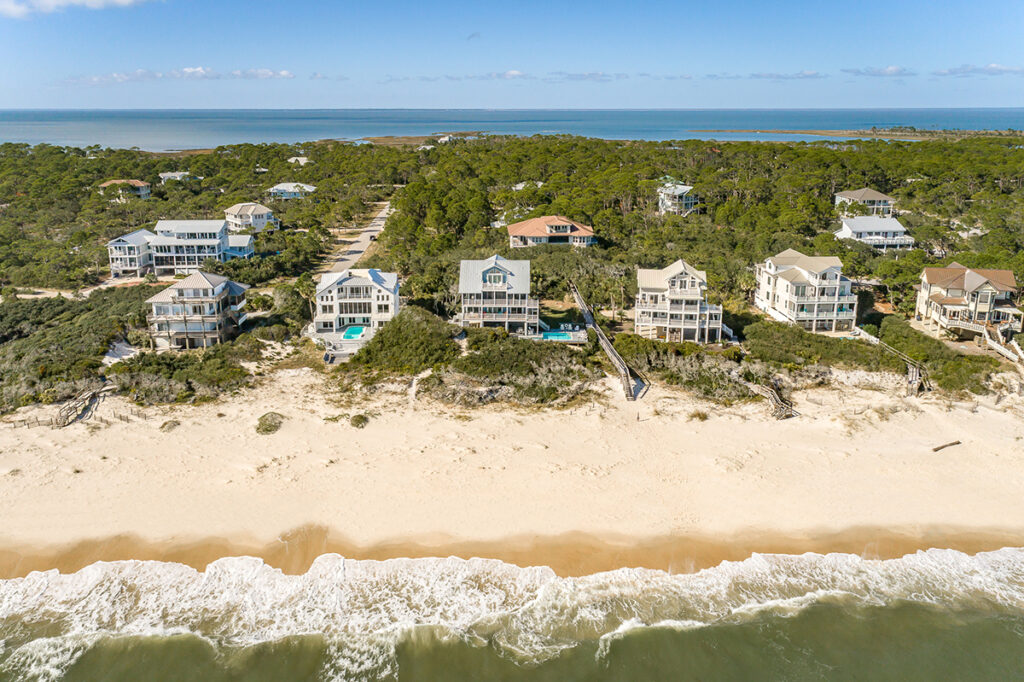
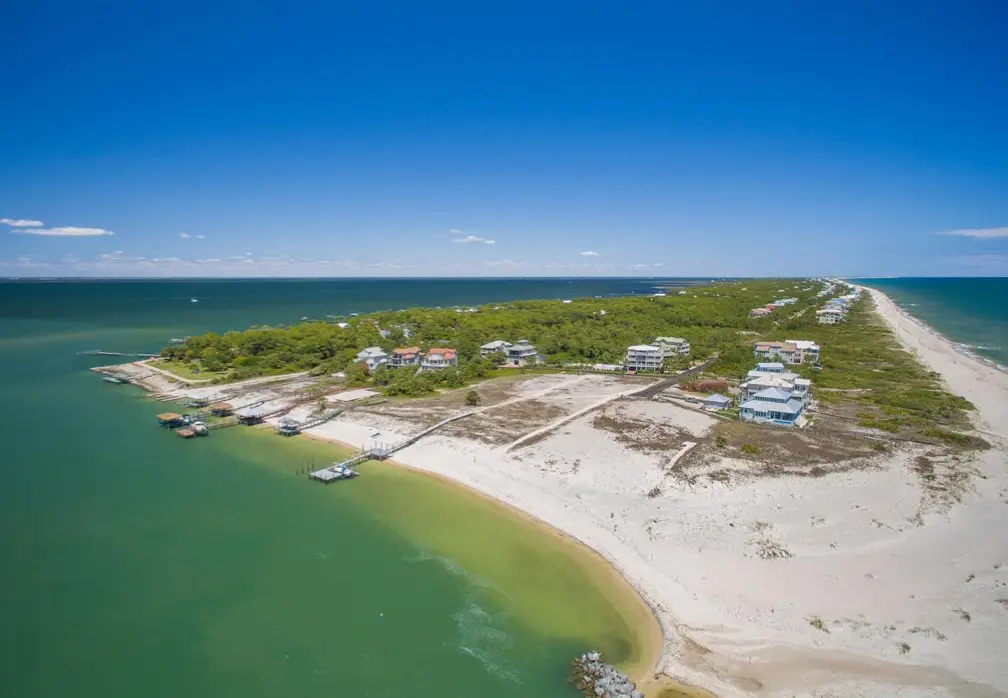
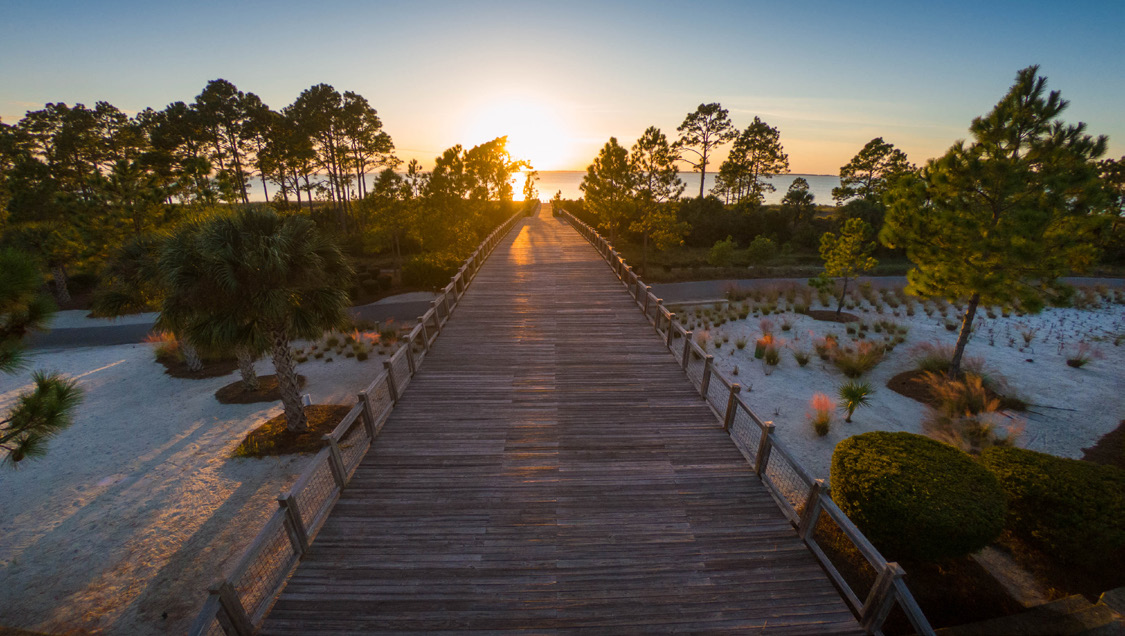
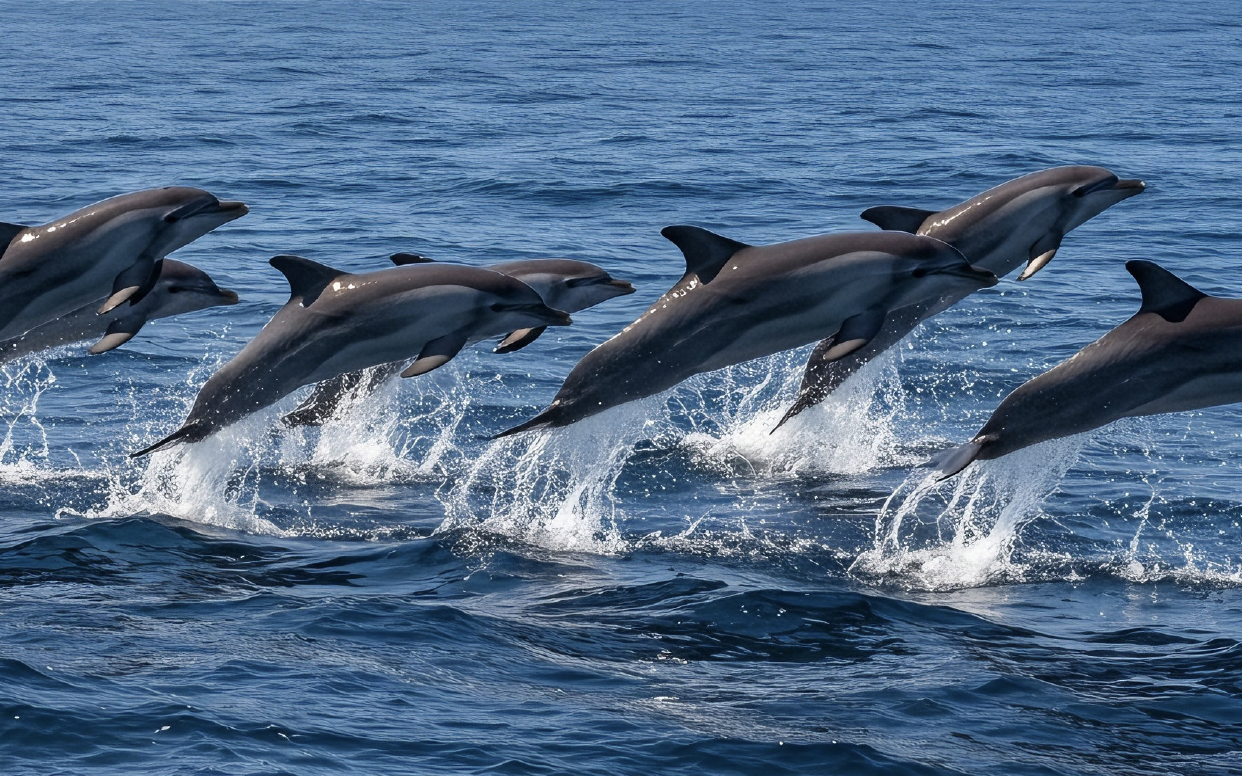
Along Florida’s Forgotten Coast — the quiet stretch of shoreline from Apalachicola to Mexico Beach — dolphins are usually symbols of life and freedom. Visitors often spot them gliding through the emerald waters of St. Joseph Bay or surfacing beside shrimp boats in Apalachicola Bay. But in recent months, the region has faced a disturbing trend: an unusual number of dead dolphins washing ashore.
Since the beginning of 2026, marine researchers and volunteers have documented dozens of stranded bottlenose dolphins along the Florida Panhandle. Nearly half of those strandings occurred during March alone, especially around Gulf and Bay counties. Scientists describe the event as one of the worst dolphin mortality spikes the area has seen since the aftermath of the Deepwater Horizon oil spill.
The dolphins discovered along the coast have often shown no obvious signs of injury. Many were already badly decomposed when found, making investigations difficult. Researchers from marine institutes, along with state and federal wildlife agencies, began collecting tissue samples and conducting necropsies in an effort to uncover the cause. Early testing now points toward one likely culprit: red tide.
Red tide is caused by blooms of Karenia brevis, a toxic algae that naturally occurs in Gulf waters. The algae release brevetoxins, powerful neurotoxins capable of affecting fish, sea turtles, manatees, and dolphins. According to investigators, several dolphin tissue samples tested positive for brevetoxin exposure, strongly suggesting the toxic bloom played a major role in the deaths.
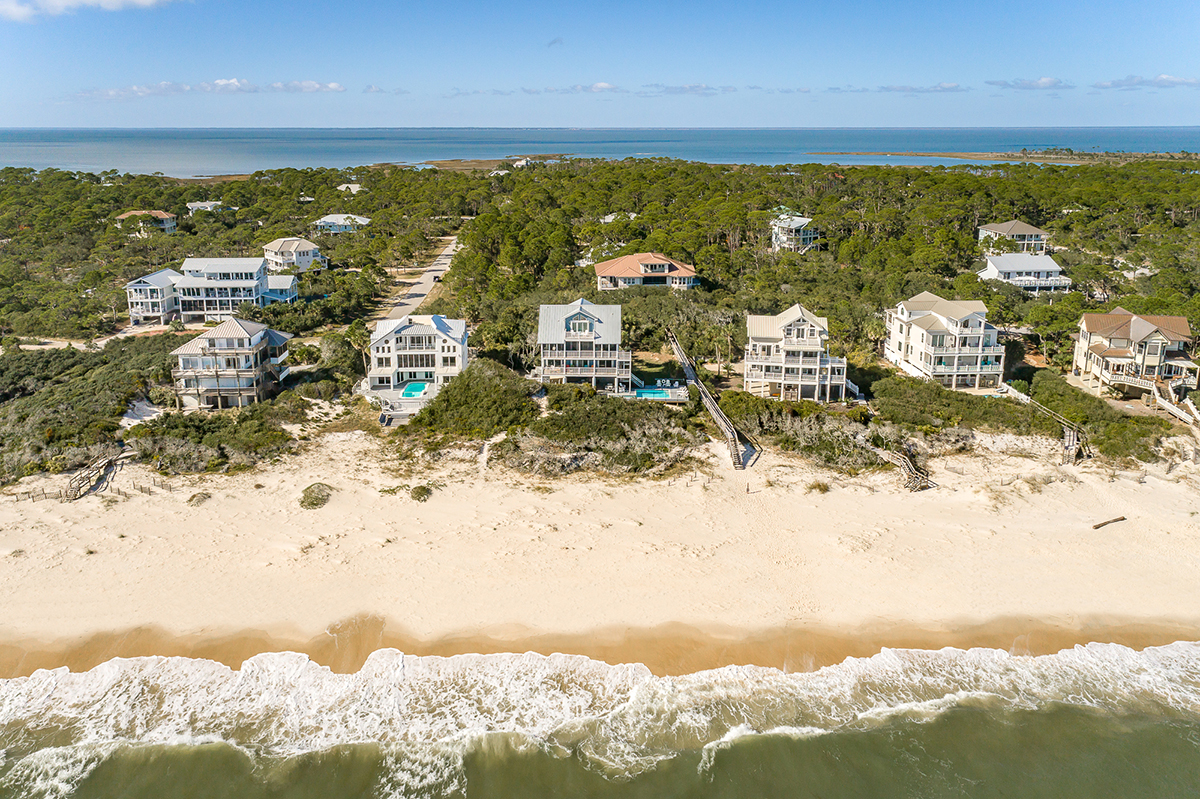
For local residents, the sight has been heartbreaking. Volunteers have helped retrieve carcasses from beaches and shallow bays, while marine biologists race against time to gather usable evidence before decomposition destroys critical clues. Along Cape San Blas and Mexico Beach, residents accustomed to watching dolphins leap offshore are now witnessing recovery teams hauling lifeless bodies from the surf.
The tragedy also highlights the growing environmental pressures facing Gulf marine life. Scientists have long warned that dolphins are considered “sentinel species,” meaning their health reflects the overall condition of the ecosystem. Previous dolphin mortality events along the Gulf Coast have been linked to oil spills, freshwater flooding, disease outbreaks, and harmful algal blooms.
Researchers are also monitoring emerging threats like avian influenza, which has recently infected dolphins in other parts of Florida. While no connection has been confirmed in the Forgotten Coast deaths, scientists remain cautious because marine mammals are increasingly vulnerable to changing ocean conditions and disease transmission.
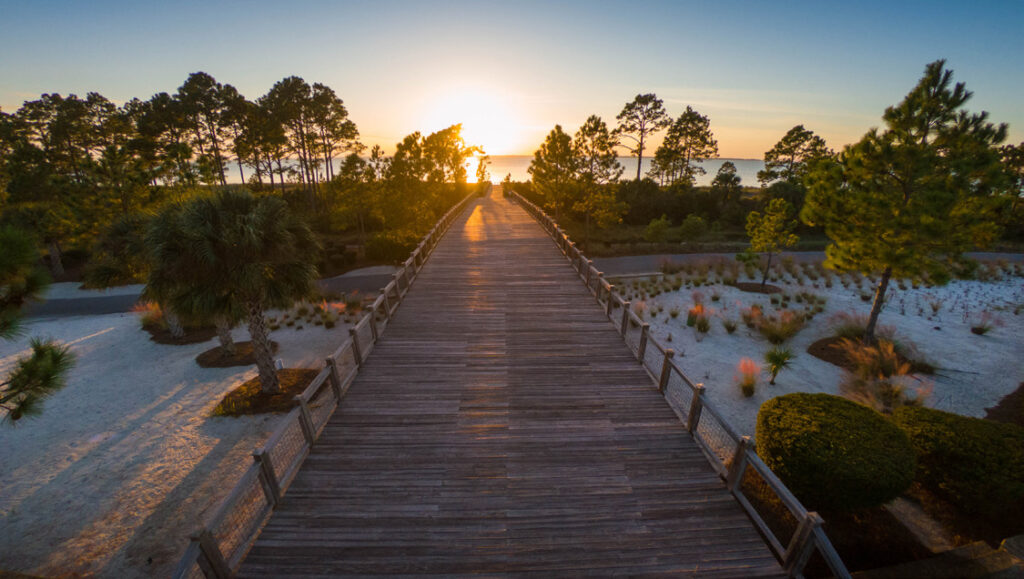
For now, the Forgotten Coast remains both beautiful and troubled — a place where white sand beaches and calm Gulf waters conceal an unfolding ecological warning. Scientists hope the investigation will provide answers, but many believe the dolphin deaths are part of a larger story about warming waters, environmental imbalance, and the fragile state of marine ecosystems along the Gulf Coast.
As researchers continue their work, local communities are left with an uneasy reminder that even the most peaceful coastlines are deeply connected to the health of the natural world around them.
DRY DOCK
Continued from pg.1
For a county whose civilian workforce remains well below the state average, that kind of regional positioning would be transformational.
Eastern Shipbuilding’s Role
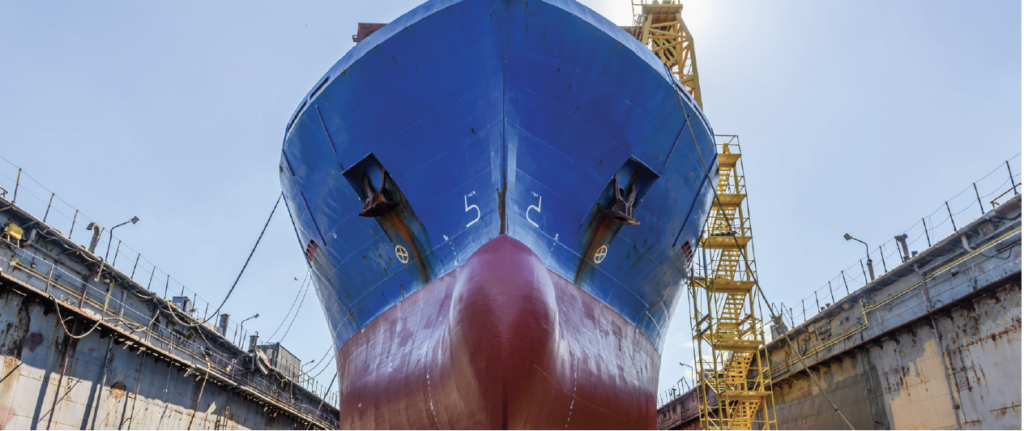
The project’s anchor tenant is Eastern Shipbuilding Group, already the largest private employer in Gulf County. Eastern Shipbuilding Group opened its Port St. Joe facility on a 40- acre site encompassing 1,000 feet of deepwater bulkhead with unrestricted access to the Gulf of Mexico for sea trials and vessel testing. The facility already handles final outfitting of major commercial vessels — including the now-famous Ollis-class Staten Island Ferries that were completed there before making their way to New York Harbor.
Eastern proposes that Gulf County Commission and the Port of Port St. Joe retain ownership of the floating dry dock, with an exclusive 50-year lease and purchase option granted to Eastern Shipbuilding Group, who would be responsible for all maintenance, upkeep, and repair of the facility under a triple-net lease arrangement. The structure keeps the asset in public hands while putting the operational responsibility squarely on the company with the expertise and the workload to make it viable.
Broad Community Support
Gulf County commissioners have set the creation of a Maintenance, Overhaul and Repair floating dry dock as their number one economic development priority. That unanimous support extends well beyond the county line. The dry dock proposal has received letters of support from various organizations throughout the region, including the Franklin County Board of County Commissioners.
County Administrator Michael Hammond has noted that the Triumph Gulf Coast funding process remains the key challenge, speculating that the county could secure north of $30 million from Triumph, leaving the county to bridge the remaining gap. Commissioner Randy Pridgeon has emphasized that connecting the proposal to education and workforce development will be critical to its success with the Triumph board — a connection already being made through Gulf County’s broader Workforce Pathways Initiative, which includes a Maritime Academy designed to feed trained workers directly into exactly this kind of facility.
The Bigger Picture
Gulf County has been waiting a long time for its next chapter. The papermill site that sat contaminated and dormant for years is now home to an active shipyard finishing vessels that sail to New York and serve the United States Coast Guard. The port that once seemed like a stranded asset is now being discussed in the same breath as Mobile and Tampa as a regional maritime hub.
The floating dry dock is not just an infrastructure project. It is a statement — that this community on Florida’s Forgotten Coast is done being overlooked, and that the deep water, the skilled workforce, and the determination have been here all along.
Related Articles

Sean of the South: Enough
May 25, 2026
By Sean Dietrich What if I told you that you are enough? Moreover, what if you woke up this morning
Flora and Fauna of the Historic Gulf Cemetery
May 25, 2026
By Helen Petre South of 98, on 293, almost to the beach, is a cemetery on 40 acres of pristine
May Fishing Report on the Forgotten Coast
May 25, 2026
May is the month that reminds every angler on the Forgotten Coast exactly why they live here. The water temperatures