May is the month that reminds every angler on the Forgotten Coast exactly why they live here. The water temperatures are climbing into the low-to-mid 70s, the baitfish are moving, the birds are working the shorelines, and just about everything worth catching is either already here or on its way. Whether you fish from the bank, wade the grass flats, run offshore, or drift the bay in a skiff, May delivers some of the most productive and most enjoyable fishing of the entire year along this stretch of the Gulf Coast.
Inshore — Redfish and Trout
The grass flats inside St. Joseph Bay and throughout the Apalachicola Bay system are fishing exceptionally well right now. Redfish are schooling on the edges of the flats and pushing up onto the grass with the incoming tide, making them very catchable on weedless soft plastics, gold spoons, and live shrimp under a popping cork. Early morning low-light conditions have been producing the best action, particularly along the eastern shoreline of St. Joe Bay near the peninsula and around the oyster bars inside Apalachicola Bay.
Spotted seatrout are staging on the same flats and responding well to paddle tail soft plastics in chartreuse and white worked slowly along the bottom. The trout bite tends to turn on hard in the late morning after the water warms slightly, then slows in the midday heat before picking back up in the late afternoon. Work the deeper edges of the grass beds — anywhere you see a defined drop from two feet to four or five feet of water is worth a few casts.
Flounder
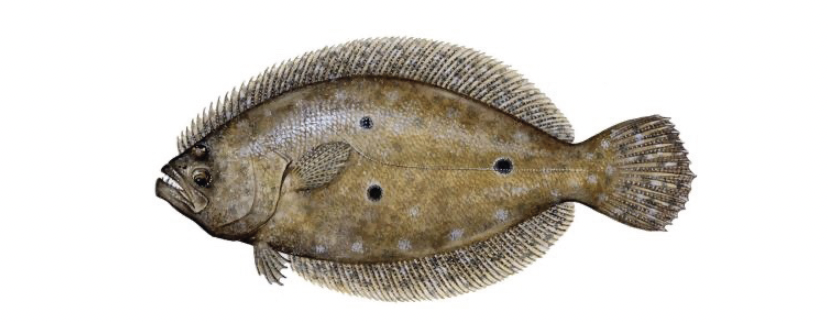
May is a prime flounder month along the Forgotten Coast. These fish are setting up in the passes, around dock pilings, near any hard structure in the bay, and along sandy bottom transitions adjacent to grass. Finger mullet fished on a jig head is the classic presentation, but a D.O.A. shrimp or a Gulp! Swimming Mullet bounced slowly along the bottom will draw strikes. The Sikes Cut area near St. George Island and the mouth of the Apalachicola River are reliable flounder spots this time of year.
Offshore — Amberjack, Snapper, and King Mackerel
The offshore bite out of Apalachicola and Carrabelle is heating up fast. Amberjack are stacked on structure in 60 to 100 feet of water and are eating live bait and large jigs aggressively. Red snapper season is right around the corner — check current FWC regulations for exact dates before heading out, as the season opener draws significant attention. King mackerel are running the nearshore humps and ledges in the 30-to-60-foot range, with live cigar minnows on a slow-troll or a freelined live bait being the most productive approach.
Cobia are also making their annual migration through the area in May. Keep your eyes peeled around buoys, debris, and any floating structure — a cobia sighted on the surface near a marker is an opportunity you do not want to miss. Have a live eel, a large jig, or a live pinfish ready to pitch at a moment’s notice.
Sheepshead and Mangrove Snapper
Around the docks, pilings, and nearshore rock piles, sheepshead are still biting well on fiddler crabs and fresh shrimp. Mangrove snapper are beginning to show up around the same structure and will only get more active as the water continues to warm through the month. Light leader, small hooks, and fresh bait are the keys to catching both species consistently.
Conditions and Tides
May afternoons along the Forgotten Coast can bring fast-moving thunderstorms, particularly as the month progresses and the humidity builds. Keep an eye on the sky and have a plan for getting off the water quickly if you see weather building to the west. The best fishing windows this month are typically the first two hours after sunrise and the two hours before sunset, with the strongest tidal movement producing the most consistent action regardless of time of day.
Get out early, stay flexible, and enjoy what may be the finest fishing month of the year on Florida’s most beautiful and overlooked coastline.