By Donna Godwin, Owner of Made in the Shade
Understanding the Rule of Thumb Based on Home Value**
When purchasing a new home—or refreshing the one you already love—window treatments often come later in the planning process. Yet they play a major role in privacy, comfort, light control, energy savings, and the overall style of your home. Because the prices of blinds, shades, shutters, and drapery can vary so widely, I’m often asked “How much should I expect to spend?”
Designers and industry professionals often rely on a helpful guideline: budgeting a percentage of the home’s purchase price toward window treatments. While not a strict rule, it provides clarity and realistic expectations when planning whole-home projects.
The General Guideline: 1–6% of Home Value
Most experts agree that homeowners typically fall within 1% to 6% of the home’s purchase price, depending on the level of customization and quality they choose.
1–2% of Home Value — Essential, Budget-Friendly Options
This range is ideal for homeowners looking for simple, functional, and cost-efficient solutions. Faux wood blinds, basic roller shades, or standard cellular shades often fall into this category. These products still provide privacy and light control but stay within a conservative budget. For a $300,000 home, this translates to approximately $3,000–$6,000 in total window-covering expenses.
2–4% of Home Value — Mid-Range, Custom Looks
Many homeowners fall comfortably into this middle range. This budget allows room for custom fit, higher-quality materials, soft treatments like drapery, and specialty options such as top-down bottom-up cellular shades or layered treatments. If you’re aiming for a balance between performance and aesthetics, this range gives you flexibility without jumping into luxury pricing. On a $300,000 home, expect $6,000–$12,000.
4–6% of Home Value — High-End, Designer, or Motorized Solutions
If your vision includes motorized shades, plantation shutters, designer drapery, or premium natural materials, you’ll likely land in this category. These treatments elevate both the beauty and functionality of each space. Homes with large window expanses, specialty shapes, or high ceilings also tend to fall into this tier simply due to scale. On a $300,000 home, this range equates to $12,000–$18,000.
Why Budgeting Matters
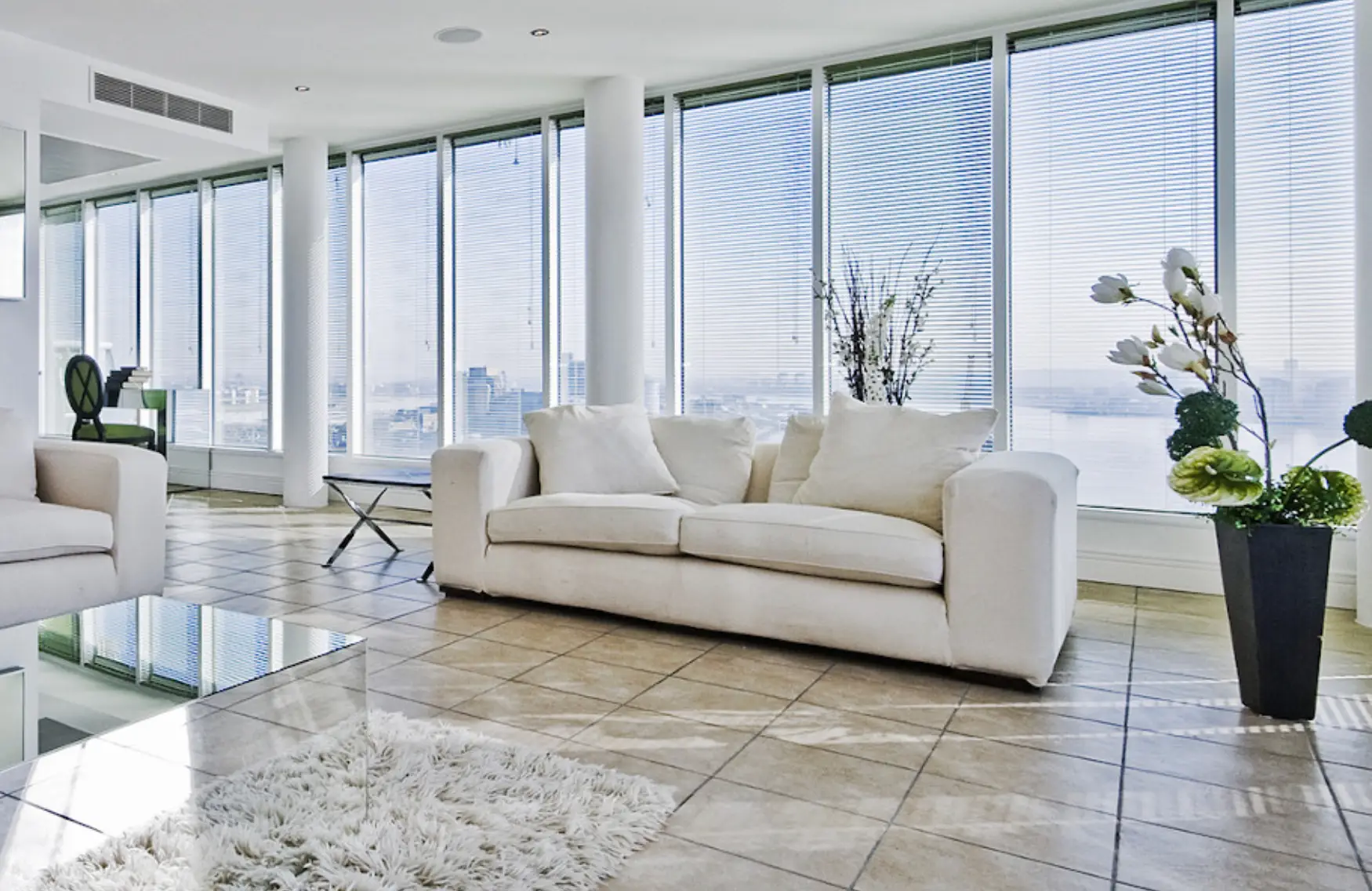
Window treatments are unique because they enhance both the daily function of your home and its design style. They influence temperature control, energy efficiency, sleep quality, and even home value. Establishing a budget helps homeowners choose the right mix of treatments—prioritizing privacy in bedrooms, light control in living areas, and energy savings where the sun is strongest.
Final Thoughts
The percentage-based budgeting rule isn’t meant to limit you—it’s designed to guide you through the planning process with confidence. Whether you’re aiming for simple and functional or high-end and automated, window treatments are one of the most worthwhile investments you can make in a home. With a realistic budget in place, you can create beautiful, comfortable, and long-lasting spaces tailored to your lifestyle. Please trust Made in the Shade to help guide you in the design process to fit your style and budget.