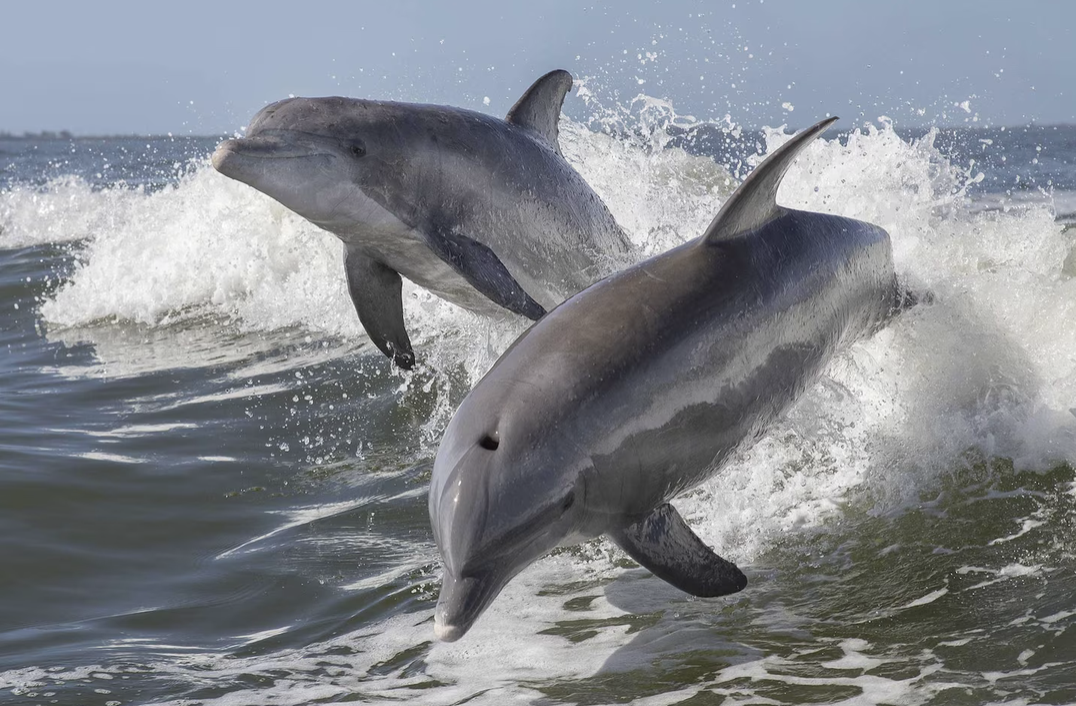
Something is wrong in the Gulf. Since the start of 2026, at least 44 bottlenose dolphins have washed up dead along the Florida Panhandle coastline — and the numbers have been accelerating at an alarming rate. In March alone, at least 24 dead dolphins were found on Panhandle shores, with strandings recorded in Okaloosa, Walton, Bay, and Gulf counties. For communities along the Forgotten Coast — where the Gulf of Mexico is not just a backdrop but a way of life — the sight of these animals washing ashore has stirred deep concern, grief, and urgent questions that scientists are still racing to answer.
The Florida Panhandle Marine Institute typically responds to 30 dolphin or whale strandings in an entire year, with fewer than 10 happening on average by March. What has unfolded in 2026 has far exceeded those historical norms, with more than half of this year’s strandings occurring in March alone. Most of the strandings were reported in Bay and Gulf counties, around St. Joseph’s Bay. All but two of the stranded dolphins were already dead upon arrival, and those two died shortly after rescue efforts began. All of the dead dolphins found so far have been bottlenose dolphins, with the majority being adults. Notably, there did not appear to be any physical injuries or visible causes of death on the animals found. That absence of obvious trauma makes the situation both more puzzling and more unsettling.
What is Causing This? That is the question on everyone’s mind — and the honest answer, for now, is that no one knows for certain. The Florida Panhandle Marine Institute is working alongside the Florida Fish and Wildlife Conservation Commission, the National Marine Fisheries Service, and other community partners in the ongoing investigation. After transporting each animal, a necropsy is performed if the condition allows, and samples are sent to a laboratory. Some locals believe red tide may be to blame, but officials say nothing is confirmed until lab results come back. Red tide — caused by blooms of the toxic algae Karenia brevis — has a well-documented history of killing dolphins along Florida’s Gulf Coast. The Florida Panhandle has seen multiple dolphin die-offs linked to red tide. In 2003, almost 100 bottlenose dolphins died in a Panhandle event coinciding with dense algal blooms, and brevetoxins were found in all dolphins tested, traced to contaminated baitfish in their stomach contents. Florida Panhandle Marine Institute Board President Pamela George has been direct about the severity. “We have seen patterns like this. When we had the oil spill, there was an unusual mortality event. This is a high number of dolphins that we were waiting for. It’s really unusual to have that many at one time,” George said.
What the Community Can Do: If you come across a live or dead stranded dolphin or whale, never push it back out to sea or remove it. Moving the animal can destroy critical forensic evidence and may cause further harm. The Florida Fish and Wildlife Conservation Commission Wildlife Alert Hotline can be reached at 1-888-404-3922, and the National Marine Fisheries Service hotline is available at 1-877-942-5343. When reporting, have a description of the animal’s size, condition, and precise location ready. Beyond reporting, support the organizations doing the work on the ground. The Florida Panhandle Marine Institute is still building its new facility while responding to stranding calls around the clock. Donations can be made at floridapanhandlemarineinstitute.com.
Why This Matters: Beyond the Headlines Dolphins are not simply beloved animals — they are indicator species. The health of dolphin populations reflects the health of the broader marine ecosystem. When dolphins die in numbers like this, it is the Gulf itself sending a signal. For a region whose identity, economy, and spirit are woven together with the Gulf of Mexico, what is happening to these animals is not a distant environmental story. It is happening in our backyards. The most important thing our community can do is stay informed, report what we see, and support the people working tirelessly to find out why our Gulf is losing its dolphins.