





































Understanding Everyday Toxins: What to Know and What to Do
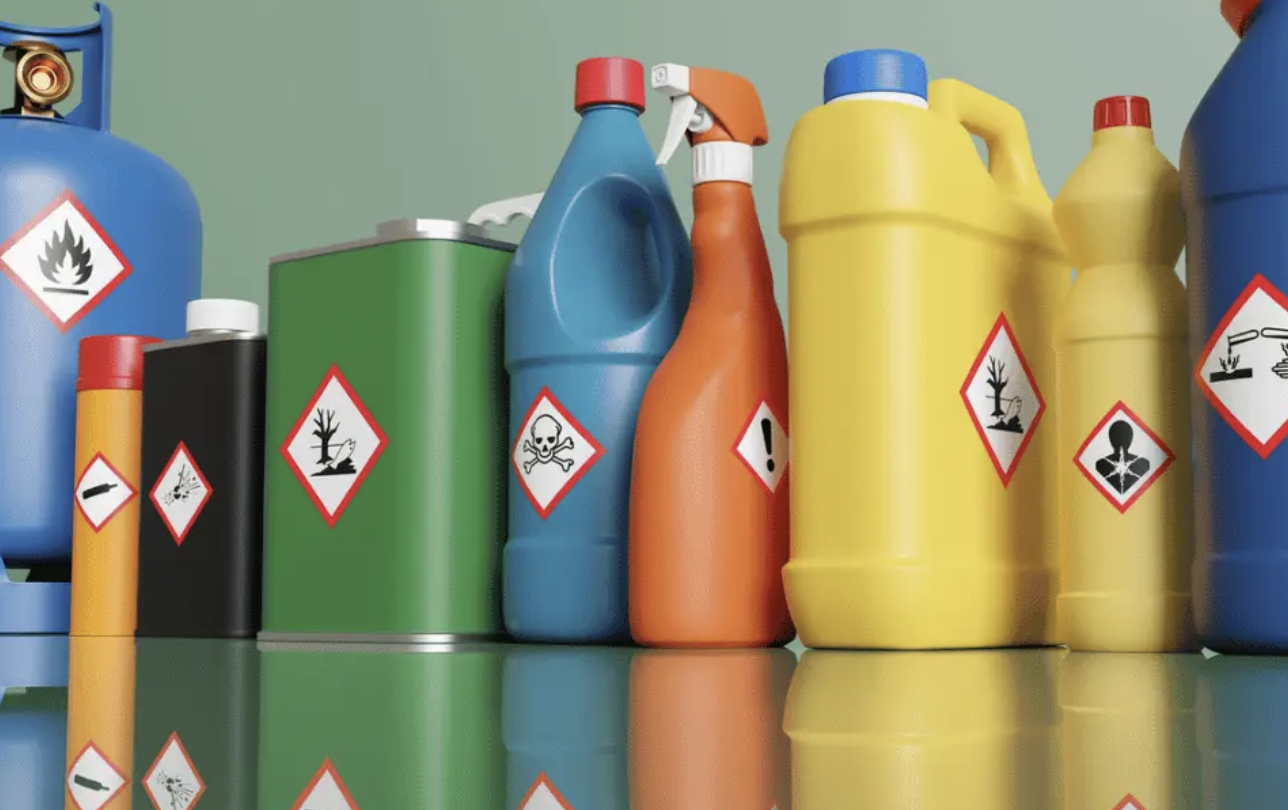
Toxins are substances that can harm the body when they build up over time. Many are common in modern environments—found in food, water, air, and household products. While small exposures may go unnoticed, chronic exposure can contribute to fatigue, illness, and increased long-term disease risk.
Common Toxins and Their Effects
We frequently see five major categories of toxins in clinical testing:
1. Mold (Mycotoxins): Mold toxins such as aflatoxin M1 and ochratoxin A are produced by fungi in damp environments or contaminated foods, including dairy, cereal, spices, peanuts, grapes/wine, and coffee. Symptoms may include fatigue, headaches, sinus issues, breathing problems, digestive distress, and mood changes. Long-term exposure can damage the liver, kidneys, immune system, and may increase cancer risk.
2. Heavy Metals: Toxic metals like arsenic, lead, and mercury are well known, but antimony, nickel, gadolinium, and palladium are increasingly common. These are linked to neurological issues, fatigue, hormone disruption, cardiovascular disease, and cancer risk. Common sources include unfiltered drinking water (many metals, including lead), contaminated ayurvedic herbs (arsenic), certain seafood like mackerel and tuna (mercury), black plastic from take-out containers, and air fryer use (antimony), MRIs (gadolinium), and cheap jewelry (nickel and palladium).
3. Glyphosate: This widely used herbicide is commonly found on fruits and vegetables, as well as oat, soy, wheat, and corn products – even wine and beer. It is also present on treated grasses like lawns and golf courses. Glyphosate has been associated with inflammation, gut microbiome disruption, DNA damage, and is classified as “probably carcinogenic.” Exposure occurs mainly through ingestion and skin contact.
4. Gut Overgrowth (Candida): Candida is a yeast that can overgrow when the microbiome is imbalanced. This can lead to bloating, sugar cravings, fatigue, digestive issues, and immune dysfunction. It is often linked to antibiotic use, high sugar intake (which “feeds” the yeast), or a weakened immune system.
5. Hormone Disruptors: Chemicals such as phosphates and parabens – commonly found in plastics and personal care products – can interfere with hormone function. They are linked to reproductive issues, metabolic disorders, developmental problems, and increased cancer risk.
How to Know if You’re Affected:
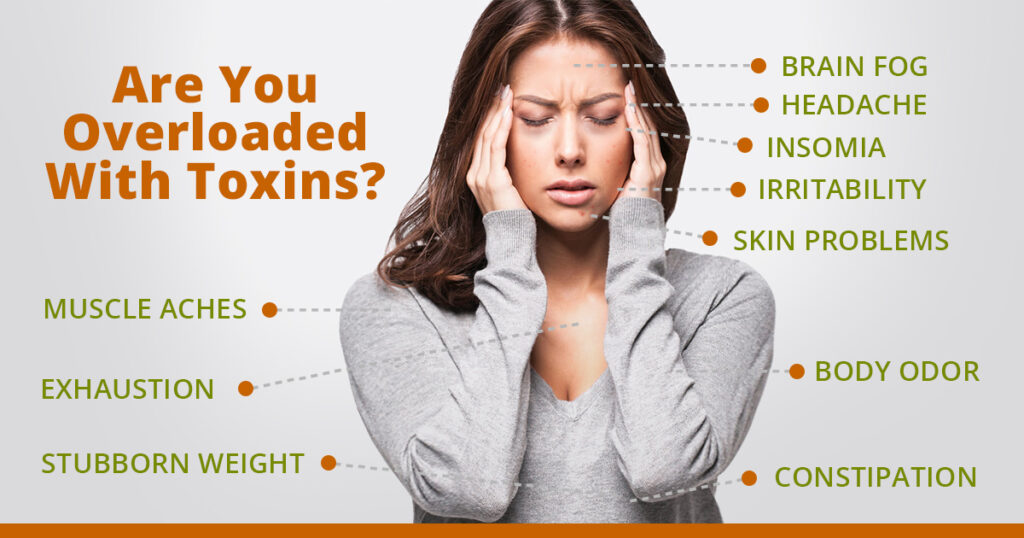
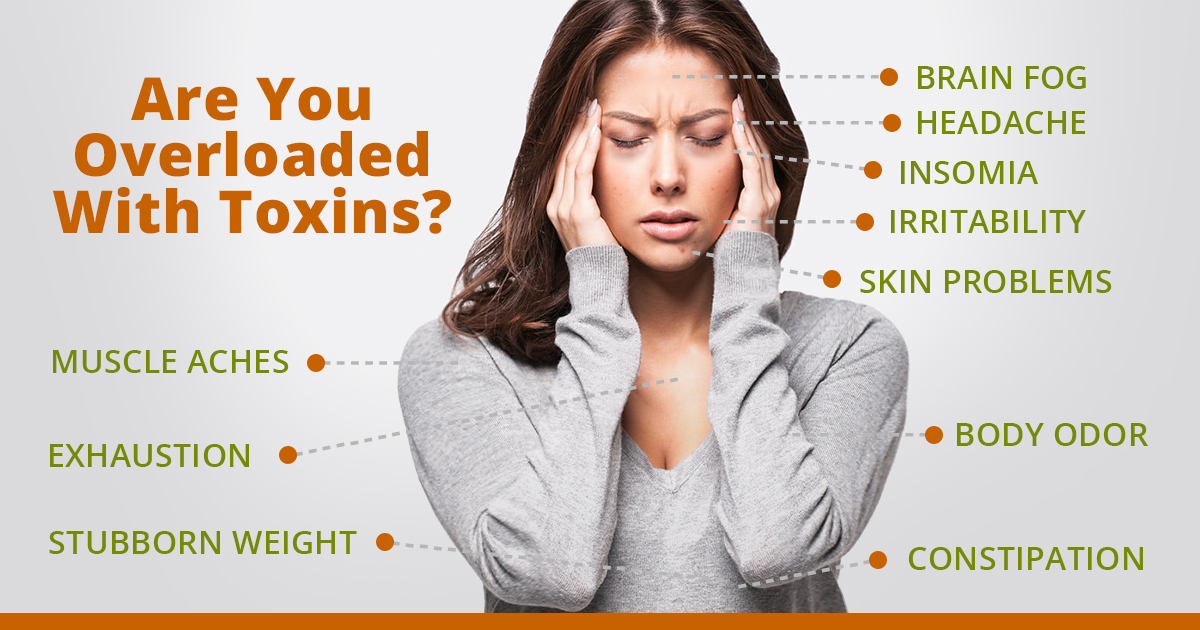
Symptoms of toxin exposure are often nonspecific and may include fatigue, headaches, brain fog, digestive issues, skin problems, and hormonal imbalances. Because these overlap with many conditions, testing is key. At Nutrition Connection Balance, we offer convenient at-home test kits using urine samples to assess mold, heavy metals, environmental chemicals, glyphosate, and candida/ gut imbalances.
What You Can Do:
Reducing toxin burden involves limiting exposure and supporting the body’s natural detox systems:
•Remove the source: Address mold, filter water, and avoid contaminated foods (e.g., follow the EWG Dirty Dozen for produce, choose organic grains, and consider mold-free coffee).
•Choose cleaner products: Opt for non-toxic personal care items; apps like Yuka can help evaluate products such as lipstick, soaps, lotions, fragrances, deodorants, and toothpaste.
•Support detoxification: Eat a high-fiber diet (aiming for 25–35g per day) and stay well hydrated.
•Lifestyle strategies: Maintaining a healthy weight can help eliminate stored toxins, which are often held in fat tissue.
•Supplementation, detoxing, and retesting: Regular testing helps us guide personalized protocols and track progress. Make sure your supplements are third-party tested, such as with the NSF Standard, as supplements are often unregulated and may be contaminated.
The Bottom Line
Toxins are an unavoidable part of modern life – but their impact can be managed. With awareness, proper testing and supplementation, and consistent lifestyle changes, you can reduce exposure and support long-term health. Nutrition Connection Balance helps clients nationwide. Visit nutritionconnectionbalance.com or call 850–227–7931.
If you missed our live webinar on April 21, head over to our YouTube @nutritionconnectionbalance to watch the free recording!
Related Articles
Sean of the South: Enough
May 25, 2026
By Sean Dietrich What if I told you that you are enough? Moreover, what if you woke up this morning
Flora and Fauna of the Historic Gulf Cemetery
May 25, 2026
By Helen Petre South of 98, on 293, almost to the beach, is a cemetery on 40 acres of pristine
May Fishing Report on the Forgotten Coast
May 25, 2026
May is the month that reminds every angler on the Forgotten Coast exactly why they live here. The water temperatures