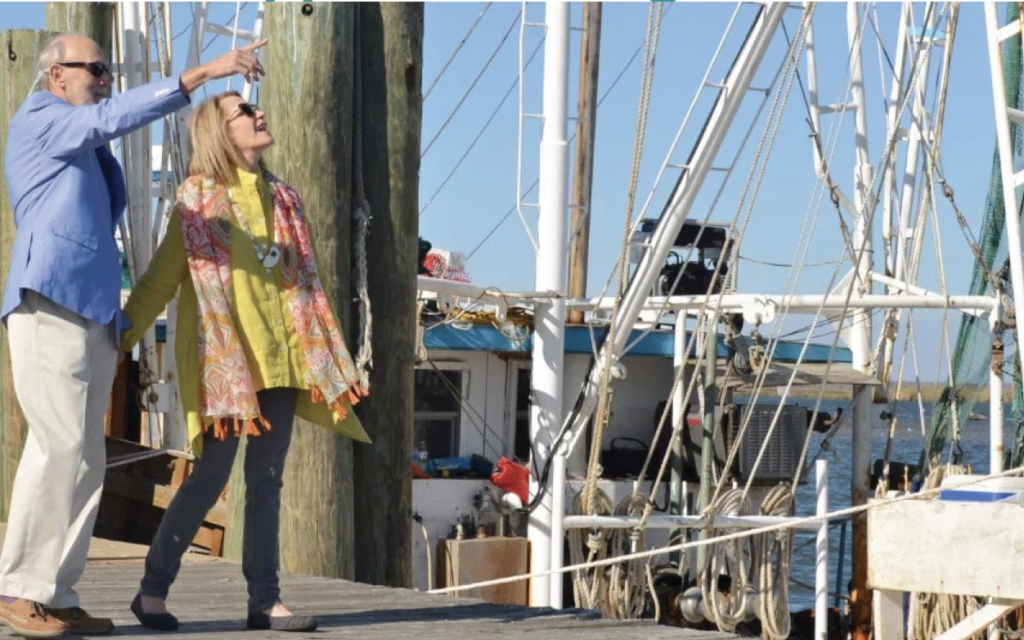
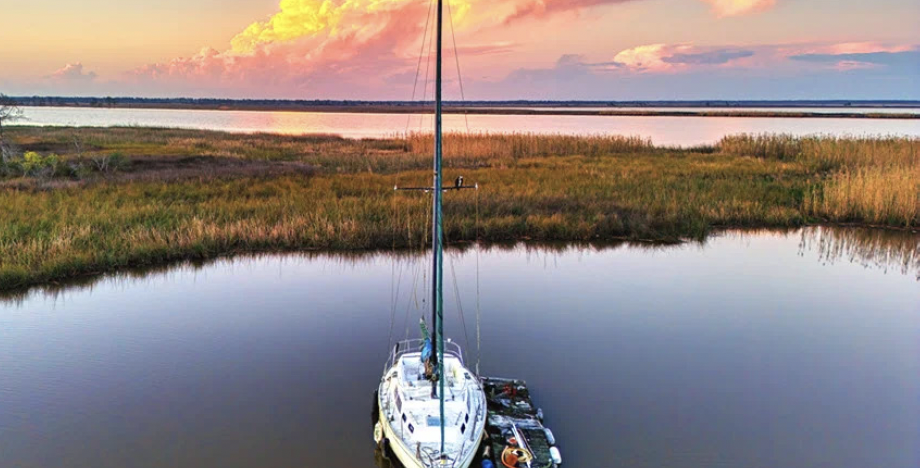
There’s a renewed sense of optimism along Florida’s Forgotten Coast this season, especially surrounding the long-awaited reopening of Apalachicola Bay to oyster harvesting. After a five-year closure aimed at restoring depleted oyster populations, limited harvesting resumed January 1. For locals whose families have worked these waters for generations, the reopening isn’t just economic — it’s deeply personal. While strict regulations and shorter seasons remain in place, the return of oyster boats to the bay signals a hopeful step forward for one of Florida’s most historic seafood communities.
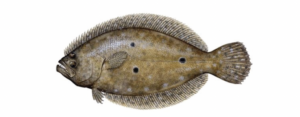
Inshore fishing has also been steady and productive across the bay systems and surrounding grass flats. Redfish are tailing in shallow water on calm mornings, and speckled trout have been active along drop-offs and deeper holes as temperatures fluctuate. Guides report solid action around oyster bars and creek mouths, particularly on moving tides. With clearer winter water, anglers are finding success using natural bait and soft plastics worked slowly along the bottom.
Up the river, the Apalachicola River continues to provide dependable freshwater and brackish fishing opportunities. As water temperatures begin their gradual climb toward spring, striped bass and hybrids are becoming more active, and bass fishing is picking up in slack-water areas and near structure. The river remains a favorite for those looking to escape windier coastal conditions while still enjoying a productive day on the water.
Offshore, weather windows have been the deciding factor. When seas lay down, anglers heading into Gulf waters have reported catches of red grouper, vermilion snapper (beeliners), and triggerfish in moderate depths. Though winter fronts have limited some trips, captains say the bite has been solid when conditions cooperate. As always, fishermen are encouraged to check current regulations through the Florida Fish and Wildlife Conservation Commission before heading out, as seasonal rules and bag limits remain closely managed.
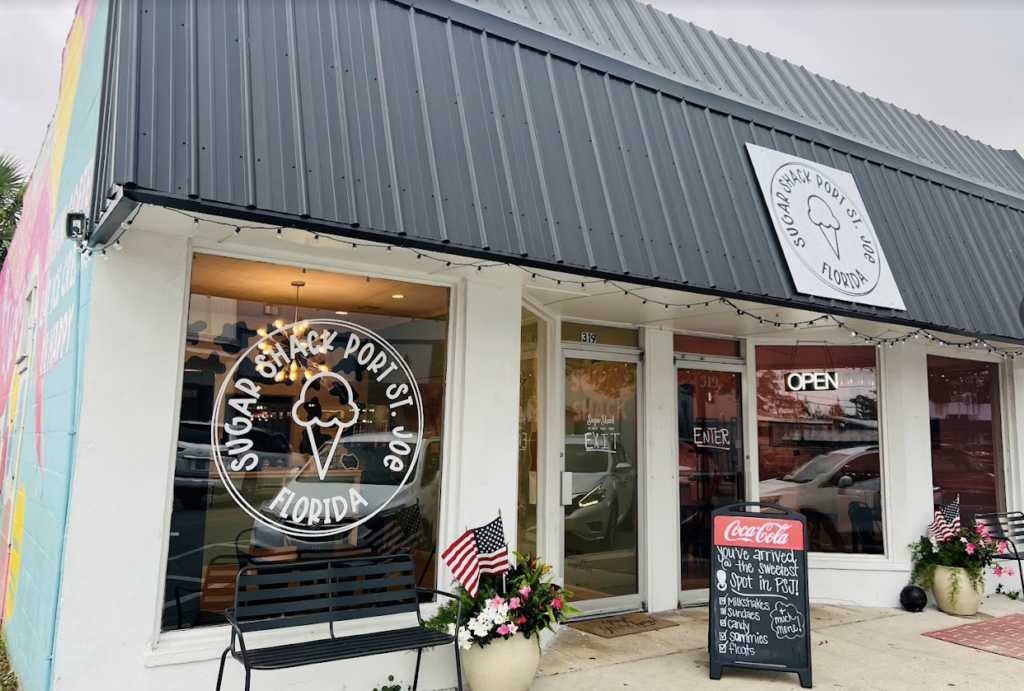
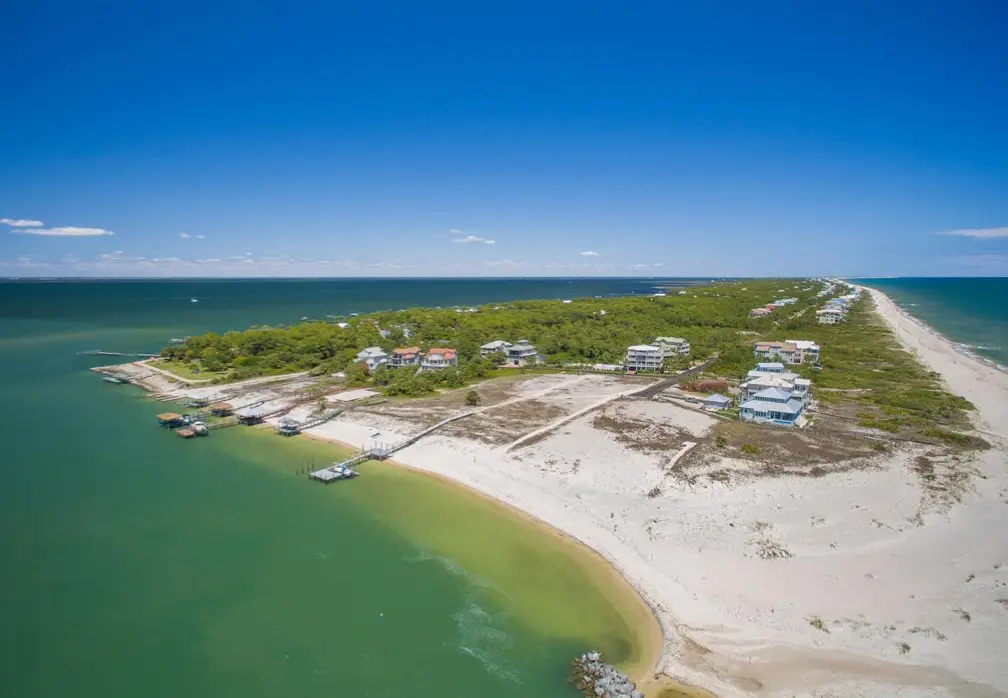
Local bait shops and marinas say they’re already seeing increased traffic as both residents and visitors take advantage of cooler temperatures and lighter seasonal crowds. From St. George Island to Eastpoint and Port St. Joe, early mornings are once again marked by the hum of boat motors and the glow of running lights heading toward the horizon. Whether casting from a skiff in the bay, wading the flats, or running offshore when the Gulf allows, one thing remains certain: along the Forgotten Coast, fishing isn’t just a pastime — it’s a way of life that continues to endure and adapt with each changing season.