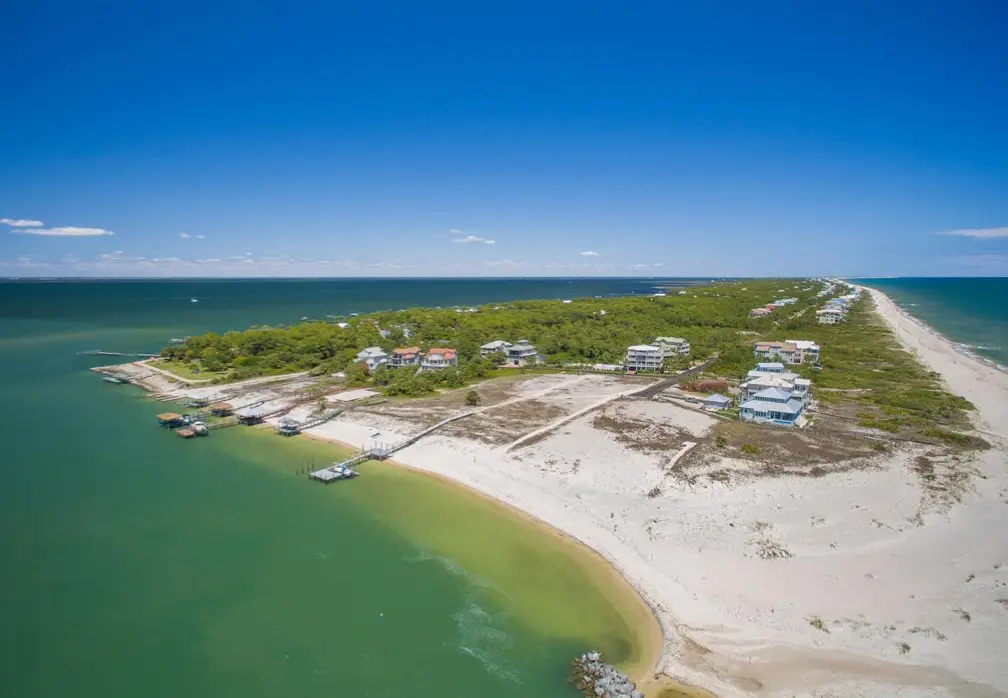
For decades, the Forgotten Coast ran on a familiar rhythm. Summer buzzed, winter exhaled. Restaurants shortened hours, boats rested, and locals reclaimed their towns. But over the last few years, something subtle—and then unmistakable—has shifted. The off-season hasn’t disappeared, but it has thinned, blurred, and in some places quietly vanished altogether across Apalachicola, Eastpoint, Port St. Joe, Mexico Beach, and St. George Island. What used to be a seasonal pause has become a new normal—steady, unpredictable, and reshaping daily life for residents and businesses alike.
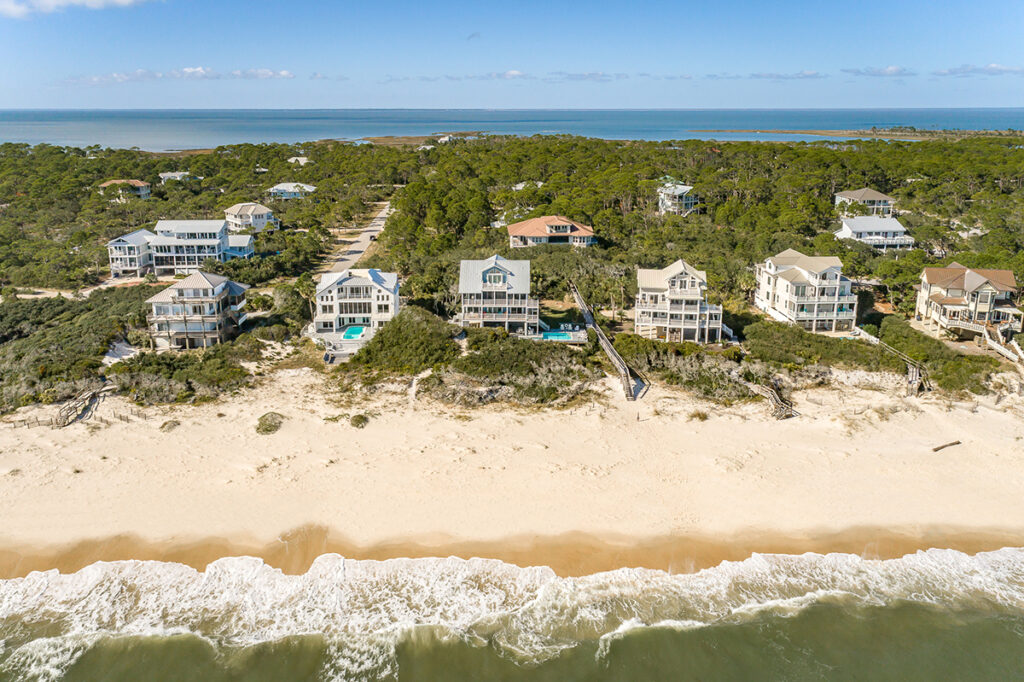
Remote work lit the fuse. Visitors who once squeezed vacations into summer weeks now arrive in October, February, even early spring, laptops in tow. Snowbirds stay longer. Short-term rentals fill gaps once considered dead months. Weekdays look more like weekends, and weekends sometimes feel like peak season without the infrastructure—or staffing—to match. For small business owners, that can be both a gift and a grind. More consistent revenue helps keep doors open year-round, but it also means fewer chances to rest, repair, or reset. The off-season used to be when owners caught their breath. Now, many are running twelve months straight.
That shift hits workers first. Hospitality and service jobs were once seasonal by design; now they’re expected to stretch across the calendar, often without the pay bump that peak season used to bring. Finding reliable staff has become harder, not easier. When rent rises and housing options shrink, steady work alone isn’t enough to keep people here. Teachers, restaurant workers, deckhands, and retail employees are commuting farther—or leaving altogether. A longer season doesn’t automatically mean a stronger workforce if the cost of living rises faster than wages.
Infrastructure feels the strain, too. Parking fills up in months that once felt empty. Roads see wear without the funding boosts that tourism taxes once concentrated in summer. Emergency services, waste management, and utilities operate closer to capacity more often. None of this is catastrophic on its own, but together it creates a low-grade pressure locals notice daily. The coast feels busier, louder, and less predictable—especially to residents who built their lives around the old seasonal ebb and flow.
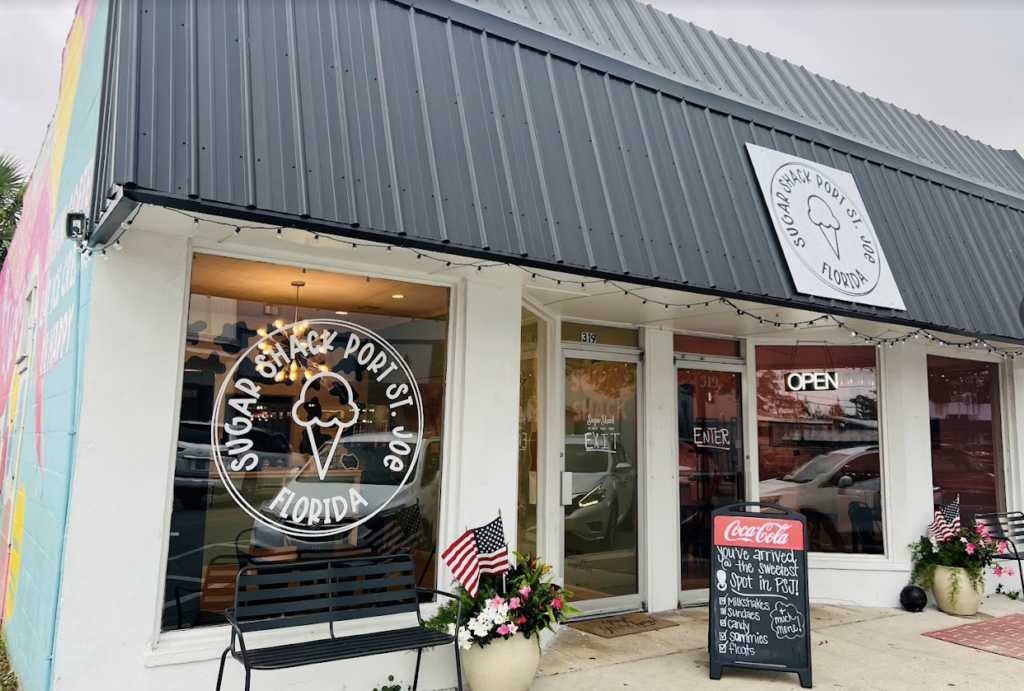
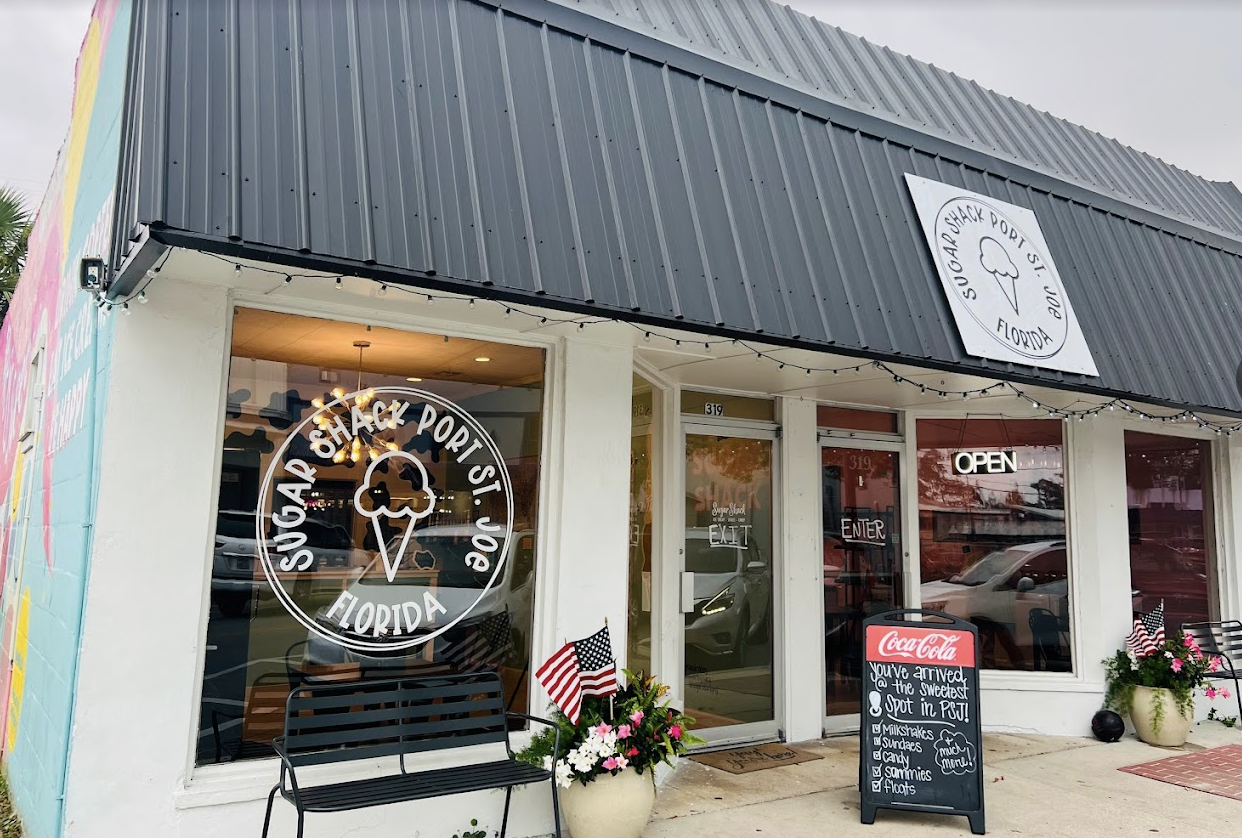
Still, the new off-season isn’t just loss. It has opened doors for some businesses that once couldn’t survive on summer alone. Restaurants experiment with winter menus instead of shutting down. Shops host events and workshops year-round. Artists, guides, and outfitters find audiences beyond the traditional tourist window. For families who rely on consistent income, the steadier flow can mean fewer layoffs and more stability—if housing and childcare remain within reach.
The bigger question is whether the region can adapt intentionally instead of reactively. A stretched-out season requires different planning: smarter zoning, workforce housing solutions, realistic parking and traffic strategies, and honest conversations about how much growth each town actually wants.
The Forgotten Coast has always prided itself on being different—quieter, slower, more rooted. Preserving that character in a world without a true off-season will take coordination across towns, not just individual fixes. The off-season may never look the way it once did. But it doesn’t have to disappear entirely, either. With thoughtful choices, it can evolve into something that supports local livelihoods without erasing the breathing room that made this coast feel livable in the first place. The challenge now isn’t stopping change—it’s shaping it, before the quiet months become just another memory locals talk about like an old tide that no longer comes in.