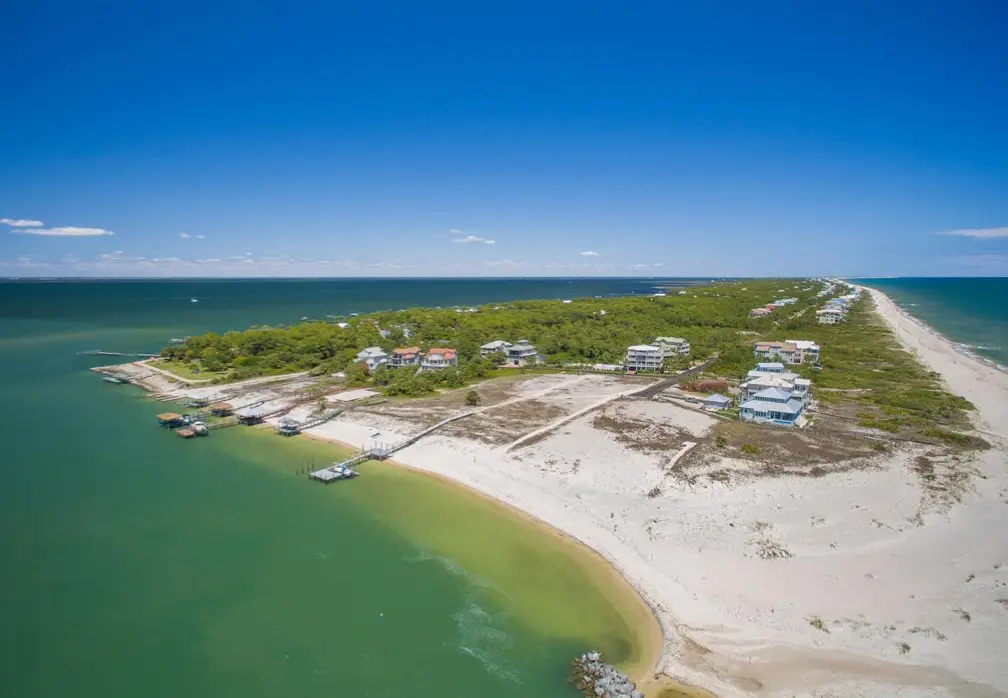
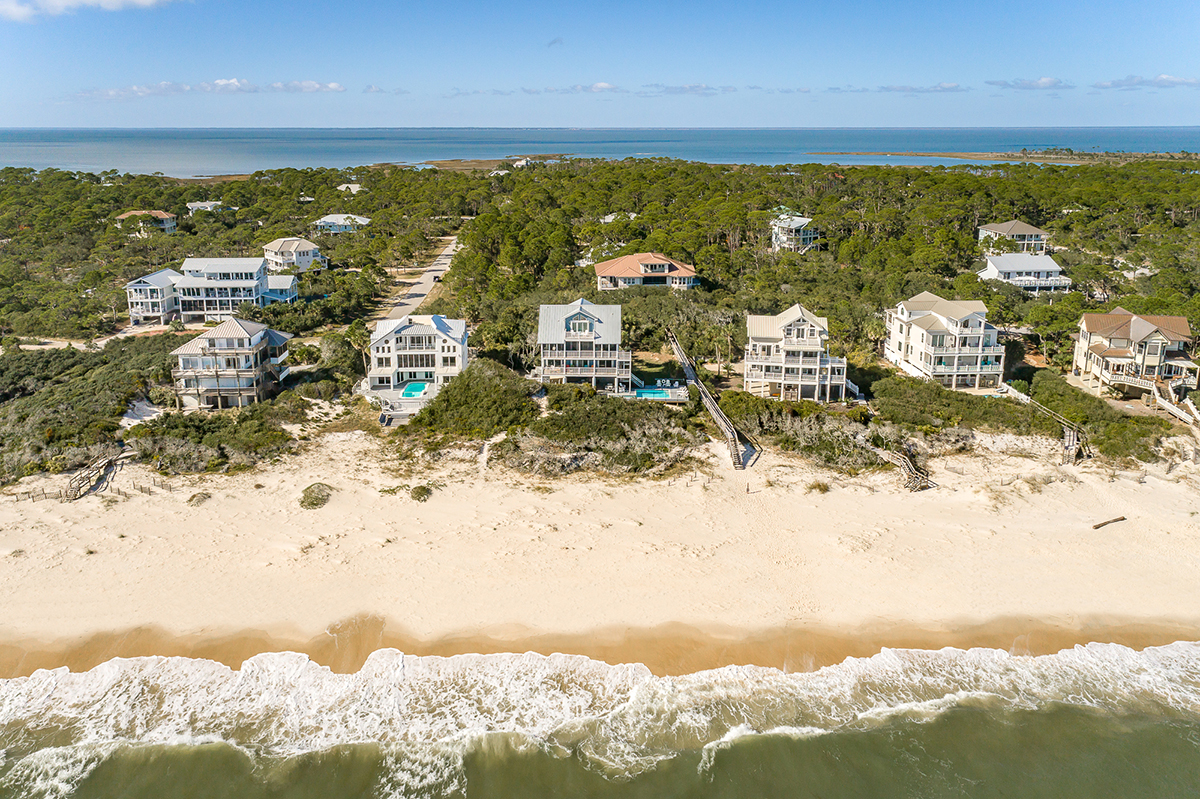
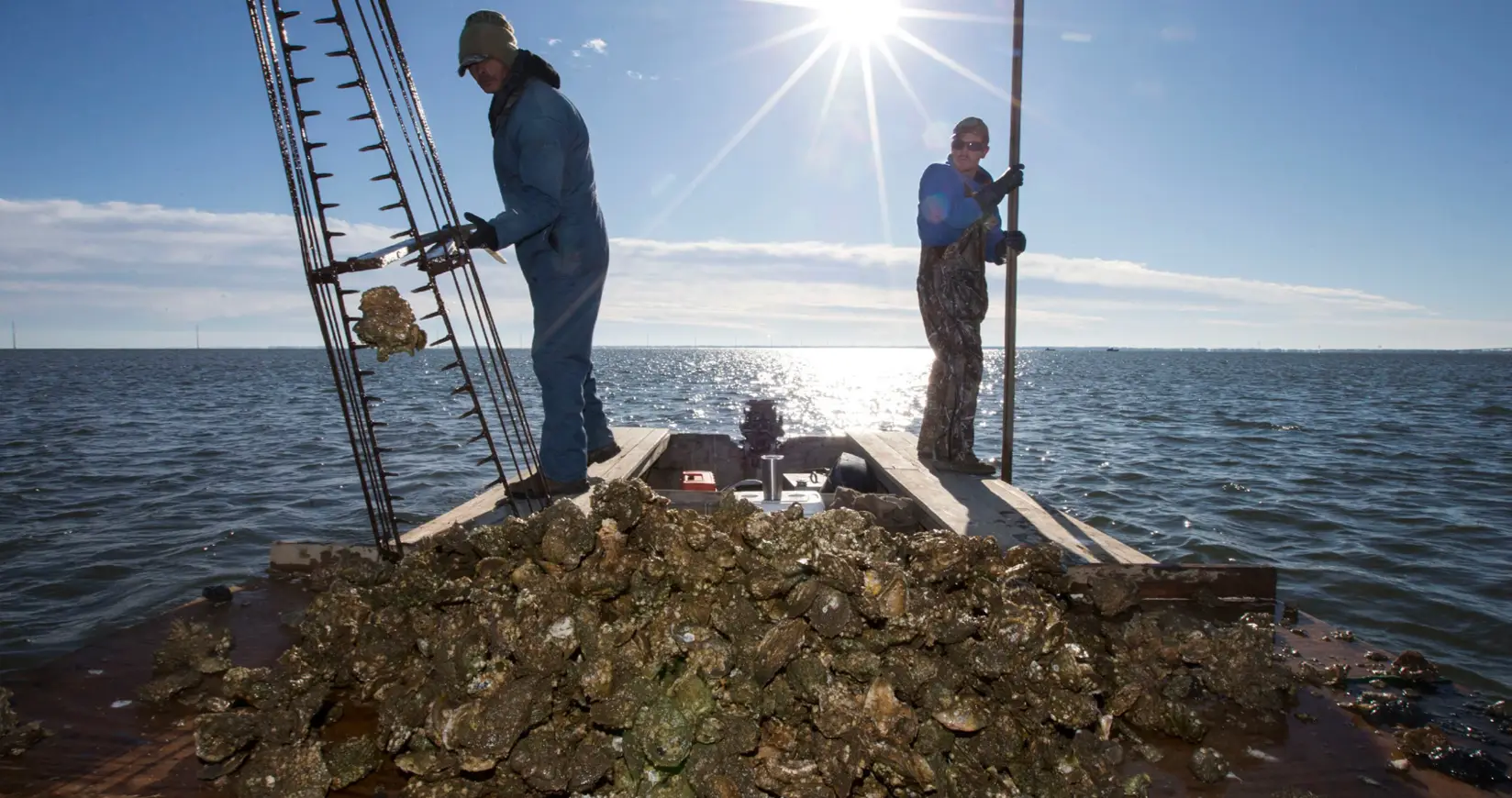
The reopening of the oyster beds in Apalachicola marks a significant moment for Apalachicola Bay and the coastal communities that have long depended on its waters. After years of closure intended to allow the bay’s depleted oyster populations to recover, state officials have determined that conditions have improved enough to cautiously resume harvesting under strict management guidelines.
The closure followed a prolonged period of environmental stress that included reduced freshwater flow into the bay, storm damage, and declining oyster habitat. During that time, restoration efforts focused on rebuilding reef structure, improving water quality, and allowing juvenile oysters the time needed to mature. Officials emphasized that the reopening does not signal a full return to historic harvest levels, but rather a carefully measured step toward long-term sustainability.
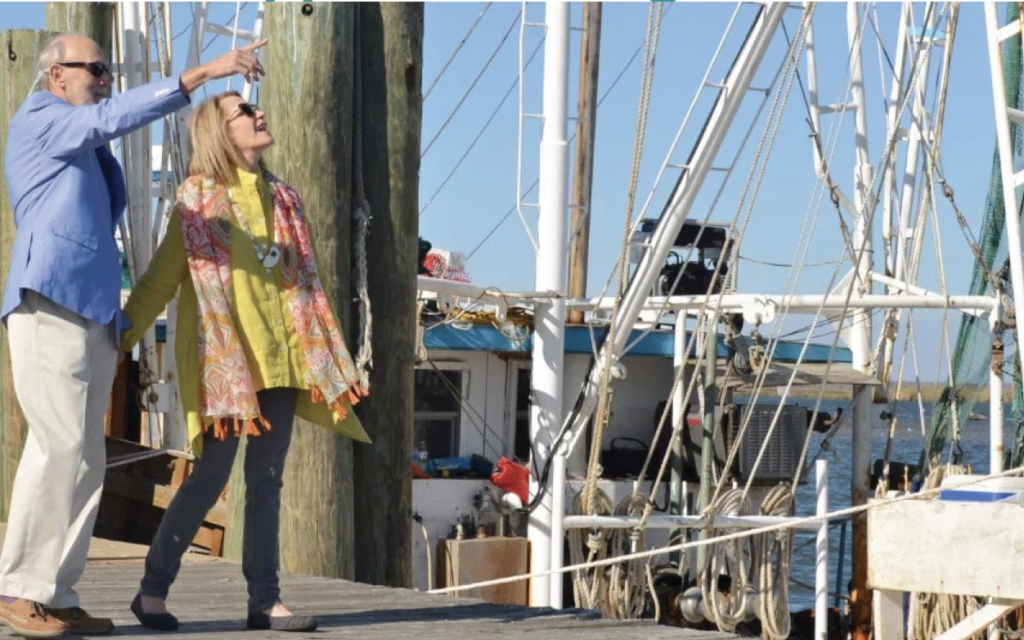
For local oystermen, the reopening represents a long-awaited return to a way of life deeply rooted in the region’s history. Oyster harvesting has shaped Apalachicola for generations, supporting families, fueling local seafood houses, and contributing to the area’s cultural identity. The closure forced many in the industry to find alternative work, creating economic strain that rippled through the community.
Seafood businesses and restaurants are also welcoming the news, as Apalachicola oysters have long been regarded as a signature product of the Forgotten Coast. While harvest limits remain in place, even a limited supply allows local businesses to reconnect with customers seeking a taste of the bay’s renowned oysters and supports the gradual rebuilding of the local seafood economy.
Community leaders and marine experts stress that the reopening is only one phase in an ongoing recovery process. Continued monitoring, responsible harvesting practices, and environmental stewardship will be essential to protecting Apalachicola Bay in the years ahead. For now, the reopening offers a sense of cautious optimism—one rooted in resilience, cooperation, and hope for the future of a bay that remains central to the life and livelihood of the Forgotten Coast.