For generations, Apalachicola Bay has been the heart of Florida’s seafood story — a place where oysters weren’t just food, but a way of life. Families built their futures on these waters. Restaurants across the South bragged about serving “Apalachicola oysters.” The bay was once responsible for nearly 90% of Florida’s oyster harvest. And then it all collapsed.
Years of environmental stress, overharvesting, river flow reductions, and habitat loss sent the bay into crisis. By 2020, the state issued a full harvesting shutdown, leaving boats tied to docks and families wondering if the legacy of Apalachicola oysters had ended for good. But today, cautiously and quietly, a comeback is underway. Scientists, restoration teams, and local oyster workers have spent the past few years rebuilding what was lost. Acres of reefs have been restored with fresh shell, limestone, and rock. The aim is simple: give oysters the hard bottom they need to grow, reproduce, and rebuild the ecosystem around them. These reefs don’t just create seafood — they clean the water, stabilize shorelines, and support the entire food chain.
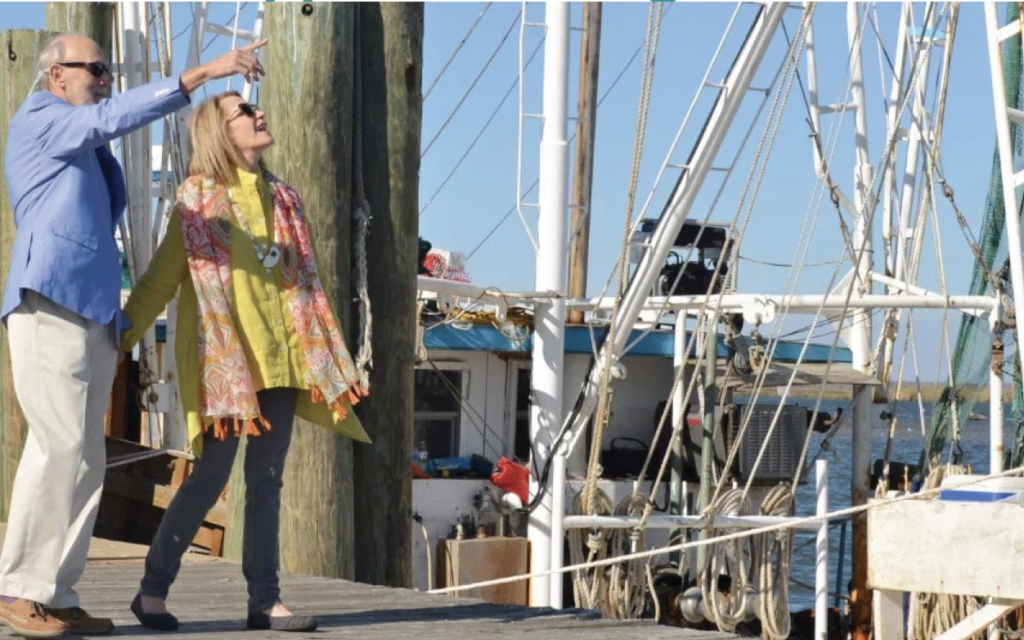
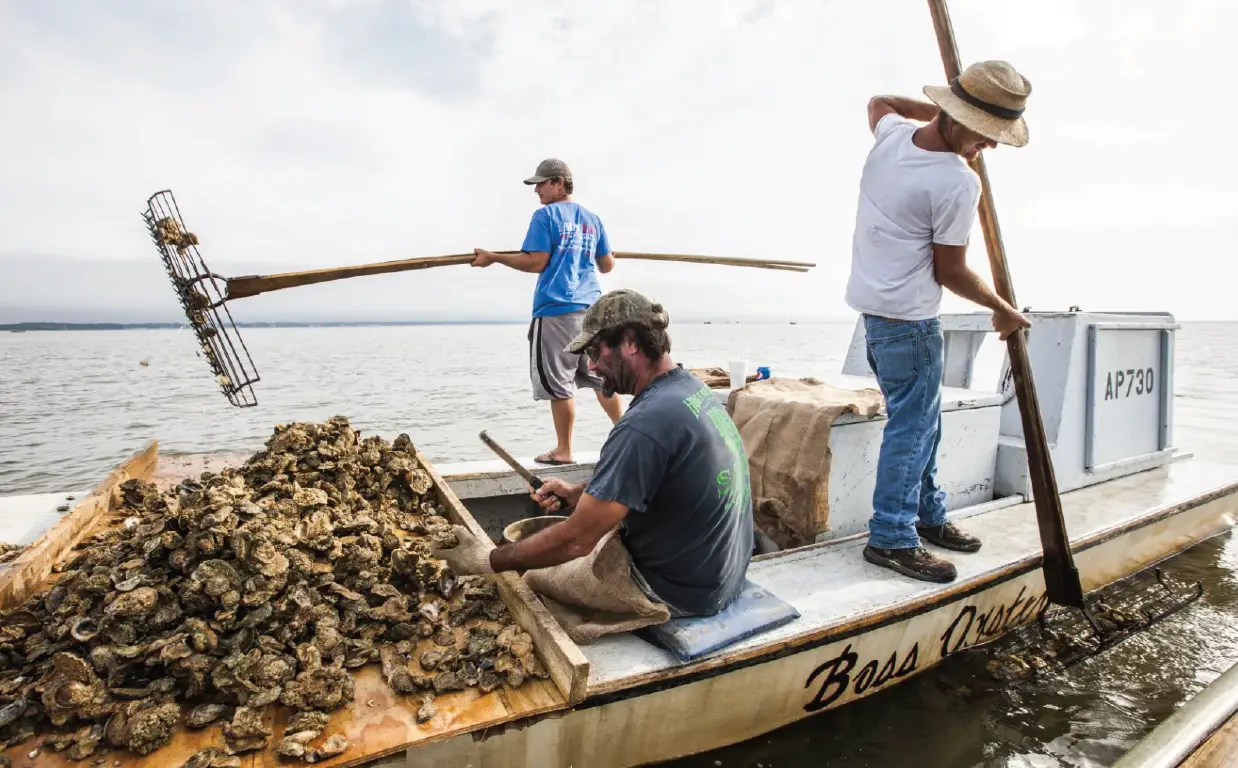
Local fishermen, many of whom inherited their skiffs and tongs from their fathers and grandfathers, have become an unlikely backbone of the restoration effort. Instead of harvesting, they’re helping rebuild — monitoring salinity, placing shell, and working alongside biologists to track progress. It’s a strange shift for people who once pulled thousands of pounds of oysters a day, but most say they’re grateful to be part of the bay’s healing. Signs of improvement are beginning to appear. Juvenile oysters are showing up in higher numbers in some test areas. Spat — young oysters — are attaching to restored reefs at encouraging rates. While the bay is still fragile, the slow return of life on the bottom has sparked something locals haven’t felt in years: hope.
No one expects Apalachicola Bay to bounce back overnight. Some experts say it may be several years before harvesting can safely resume. But the people who love this place — the folks whose hands know the weight of oyster tongs and whose boats know every inch of the river — are betting on its future. They say the bay always finds a way. It just needs a little help.
For now, Apalachicola waits, watches, and works — believing that one day soon, the world will once again taste the oysters that made this small town famous. And across Apalachicola, small signs of anticipation are already taking root. Restaurants that once relied on local oysters are keeping spots on their menus reserved, hopeful for the day they can bring back the flavors that defined the bay. Seafood markets still tell stories of the old harvests to newcomers, reminding them why these waters matter. Locals say that when the first legal sack of oysters is finally hauled up again — whenever that day comes — it won’t just mark the return of a fishery. It will mark the return of a community’s heartbeat.