By Donna Godwin, Owner of Made in the Shade
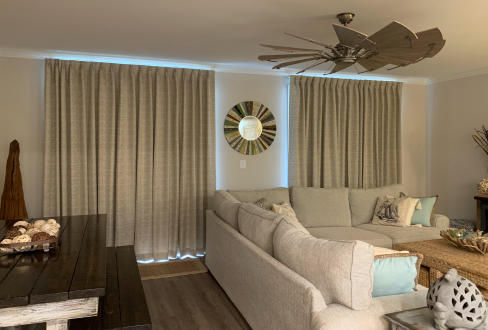
Window coverings are more than just a finishing touch — they impact how your home looks, feels, and functions every day. While it’s tempting to order blinds or shades online, working with a window covering specialist can save you time, money, and frustration while ensuring a flawless result.
1. Expert Guidance on Style & Function
A specialist understands the balance between beauty and practicality. They’ll help you choose products that fit your design style — from timeless plantation shutters to sleek roller shades — while also solving functional needs such as light control, privacy, insulation, and motorization. Instead of guessing, you’ll know what will work best for each room’s unique layout and lighting.
2. Professional Measuring & Fit
Window openings are rarely perfectly square. Specialists know how to measure for inside or outside mounts, trim frames, and specialty shapes to ensure a perfect fit. This avoids common DIY headaches like gaps, crooked blinds, or treatments that don’t fully close.
3. Access to Quality Products & Options
Showrooms and specialists often carry premium lines and custom options not available at big-box stores. You’ll see fabrics, finishes, and operating systems firsthand — from energy-efficient cellular shades to durable outdoor screens — and understand their longterm value.
4. Seamless Installation & Support
Professional installation makes a huge difference in how your window coverings look and operate. Specialists handle the hardware, adjustments, and tricky details, ensuring your treatments function smoothly for years. If something ever needs service, you have a trusted expert to call. Bottom line: A window covering specialist helps you avoid costly mistakes, find the perfect balance of style and performance, and enjoy a finished look that truly enhances your home.
Self-Regulation: Seek and accept feedback from each other to help you express your emotions appropriately and effectively, control your arousal, and adapt to challenging situations, particularly during conflict.
Empathy: Learn to actively listen so you can understand each other’s perspectives and share each other’s feelings. E press empathetic understanding to foster compassion and deeper intimacy. Let your empathy inspire true apologies and make forgiveness easier.
Social Skills: Practice open communication by being honest about your thoughts, needs, and feelings. Handle conflict constructively by focusing on managing the issue rather than attacking or criticizing your partner. Show gratitude by expressing appreciation for the positive things your partner does. Engage with each other in ways that create predictability, dependability, and trust.
Motivation: Incorporate each other’s individual goals into your marital goals. Adopt an optimistic view and remain resilient in your mutual support of your marriage and each other’s goals, despite challenges and setbacks. This will help you create a compelling sense of shared meaning for your marriage. If your marital EQ is underdeveloped, invite your partner to work with you on the five key competencies of Marital Emotional Intelligence. Whether your marital EQ needs a little or a lot of improvement, start now, before the negative spiral takes you past the point of no return. Let me know how I can help.