























The Red Tide Crisis in Port St. Joe
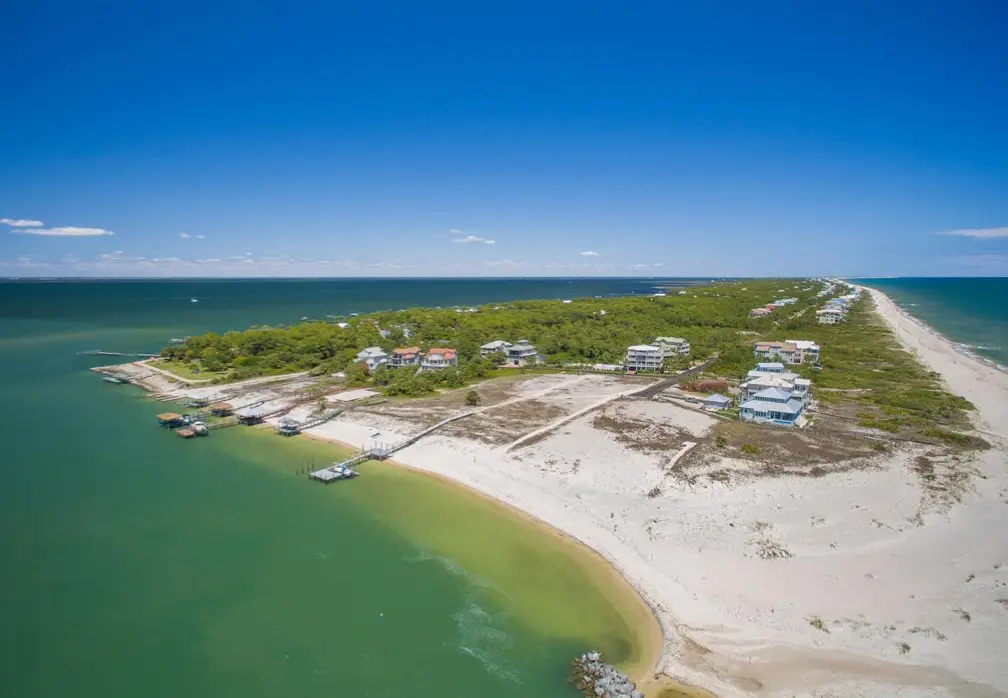
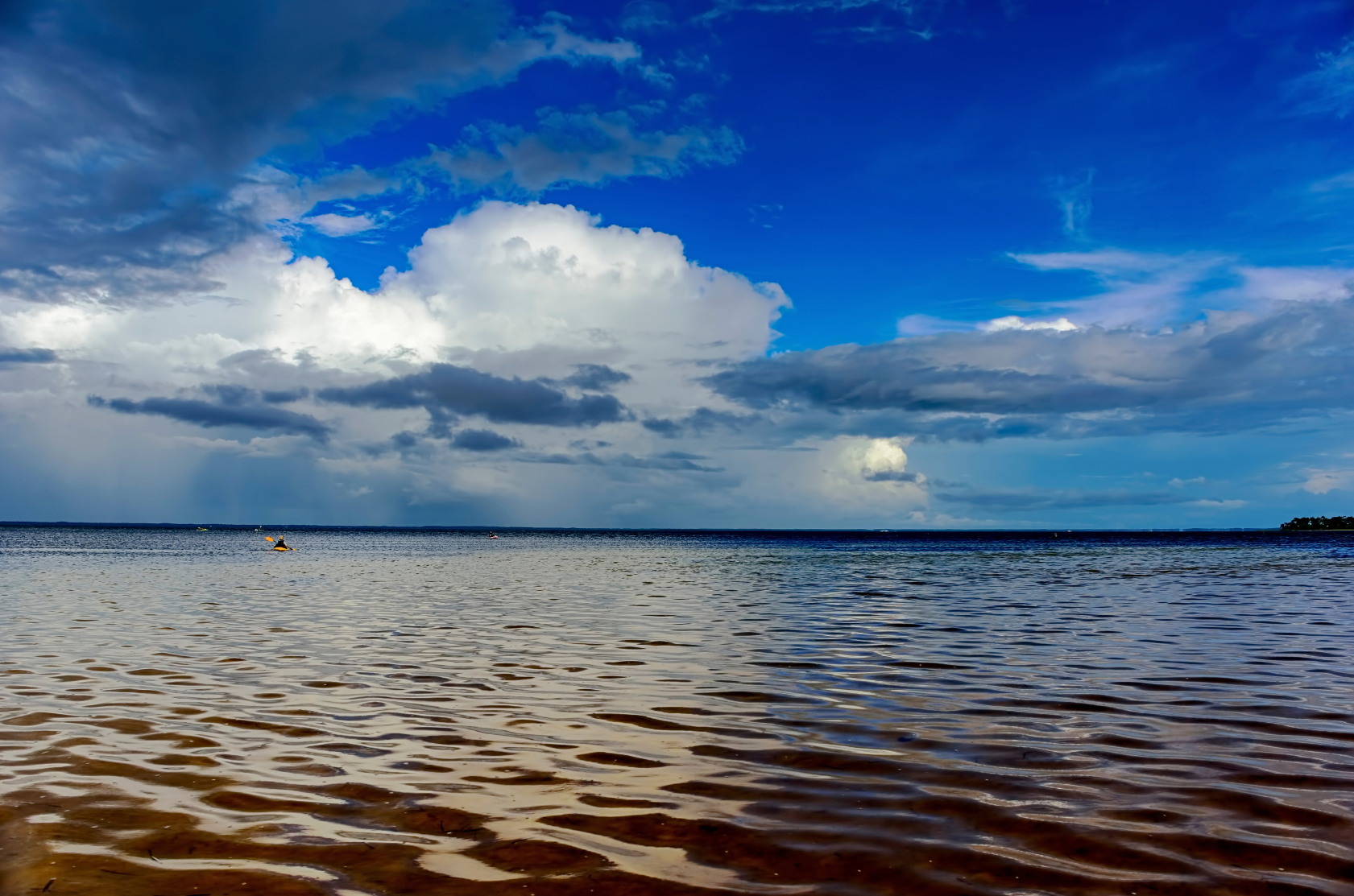
Port St. Joe has been dealing with one of the most persistent and unusual red tide events the community has seen in years. What began as a localized bloom in St. Joseph Bay has continued far longer than expected, lingering through the fall and into winter. Red tide typically develops offshore and is more common in Southwest Florida, but this year the bloom settled heavily in Northwest Florida — and St. Joe Bay has taken the brunt of the impact.
Residents have watched thousands of dead fish wash ashore along the bay and beaches. Everything from mullet and flounder to rays, trout, and even small sharks have been affected. Local charter captains say the fishing has come to a standstill, with many reporting entire areas of the bay completely devoid of life. As the fish die and decompose, they release additional nutrients into the water, making it even easier for the bloom to sustain itself and harder for the problem to fade.
The environmental effects ar en’t the only concern — the community’s health and daily life are being affected as well. Red tide releases toxins into the air that can lead to coughing, burning eyes, sneezing, and respiratory irritation. Many residents, especially children, seniors, and those with asthma or lung conditions, have been experiencing symptoms when winds push the toxins toward shore. Officials have advised residents to stay out of affected waters, avoid harvesting fish or shellfish, and be cautious on windy days when airborne irritation is most noticeable.
Scientists say one reason this year’s bloom is so stubborn is St. Joseph Bay’s natural circulation. In certain conditions, the water flow can trap the algae inside the bay, giving it time to build and preventing it from drifting away. Nutrient runoff is also a major factor. Fertilizers, stormwater, sewage leaks, and land disturbance can all feed algae once it reaches the shoreline. Local residents have expressed concern that nutrient levels in the bay have been rising over time, creating a perfect environment for red tide to thrive.
The economic effects are just as serious. Charter captains have temporarily shut down operations, bait shops are seeing fewer customers, and waterfront businesses say foot traffic has dropped. Tourism — a major part of Port St. Joe’s economy — naturally slows when the beaches are covered in dead fish and visitors worry about air quality. Locals who make their living on the water say this may be the toughest season they’ve managed in years.
Marine life is suffering across the board. Fish kills are only part of the story — sea turtles, dolphins, birds, and other wildlife can also be affected by the toxins. The ripple effect through the food chain will likely take time to fully understand. Even after the bloom disappears, the bay will need time to recover, and rebuilding fish populations could take months or even years.
Local and state agencies continue monitoring the water and shoreline conditions daily. Health advisories are being updated as the situation changes. While crews have been cleaning up fish kills and keeping the community informed, there is no practical way to eliminate a red tide bloom once it takes hold. Past attempts in other parts of Florida have shown that trying to chemically treat a bloom can cause more environmental harm than good. The focus, therefore, shifts to prevention: reducing nutrient pollution, improving wastewater management, limiting fertilizer runoff, and supporting natural systems like wetlands that help filter water before it reaches the bay.
For now, Port St. Joe is doing what it always does — sticking together. Residents are checking on elderly neighbors, helping clean affected areas, and supporting local businesses that depend on a healthy bay. While this year’s red tide event has been difficult, the community’s resilience is evident. With continued monitoring, strong environmental stewardship, and efforts to protect the bay’s water quality, Port St. Joe can move toward recovery and prepare for future challenges.
Red Tide Health Tips:
Limit exposure on windy days.
If the breeze is blowing onshore, toxins can become airborne and irritate your eyes, nose, and throat. Those with asthma or other lung conditions should be especially cautious.
Avoid swimming in affected areas.
Red tide can cause skin irritation, rashes, or burning sensations. Children and pets are more sensitive and should stay out of the water entirely when conditions are poor.
Don’t harvest or eat distressed fish or shellfish.
Fish kills and weakened marine life are a sign that toxins are present. Shellfish in particular can accumulate high toxin levels and remain dangerous even after cooking.
Keep medications handy.
Residents with asthma, COPD, or allergies should have inhalers, antihistamines, or doctor-recommended medications available during active blooms.
Close windows and use air conditioning.
Running A/C helps filter indoor air and reduces exposure to airborne toxins, especially for those living close to the bay.
Rinse off after beach visits.
If you’ve been near affected areas, shower and wash your clothes to remove any lingering irritants.
Watch your pets.
Dogs may sniff or try to eat dead fish, which can be harmful. Keep pets on a leash and away from the shoreline during blooms.
Stay informed.
Follow local health advisories and beach condition updates. Conditions can change quickly, and alerts help you know when it’s safest to visit the water.
Related Articles
Sean of the South: Enough
May 25, 2026
By Sean Dietrich What if I told you that you are enough? Moreover, what if you woke up this morning
Flora and Fauna of the Historic Gulf Cemetery
May 25, 2026
By Helen Petre South of 98, on 293, almost to the beach, is a cemetery on 40 acres of pristine
May Fishing Report on the Forgotten Coast
May 25, 2026
May is the month that reminds every angler on the Forgotten Coast exactly why they live here. The water temperatures